UN-backed initiative tackles electronic waste crisis in Cambodia with $4 million funding
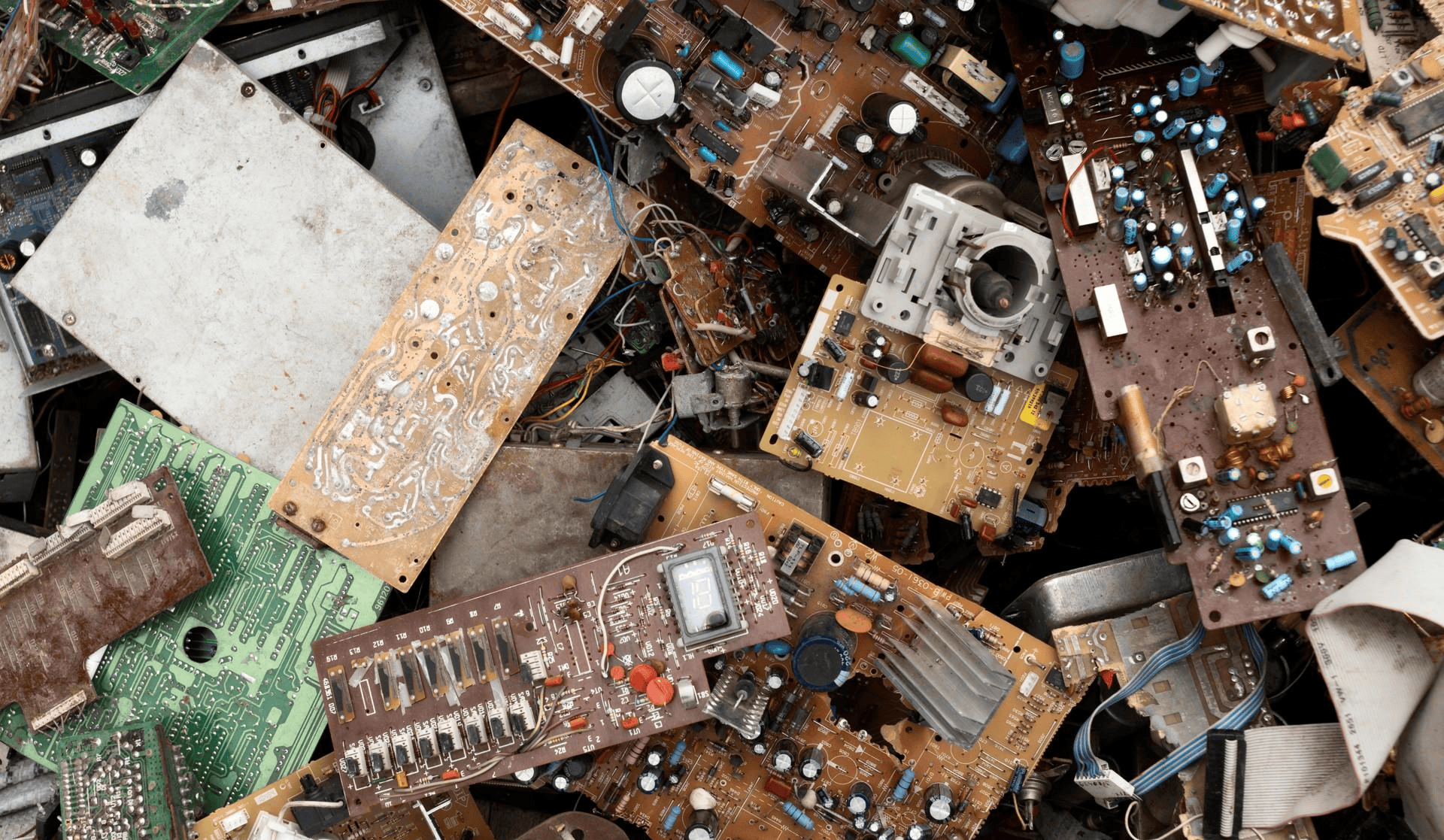
A new initiative aimed at transforming how Cambodia handles discarded electronics has been launched through a partnership between the UN Development Programme and the country's environment ministry, supported by $4 million from the Global Environment Facility.
Set to run through 2031, the five-year programme forms part of a broader international effort called the Global Electronics Management initiative, which seeks to curb pollution and boost resource efficiency throughout the electronics lifecycle.
More than 200,000 Cambodians are anticipated to benefit directly from the project through improved workplace safety and decreased contact with dangerous materials, the UNDP reports. An additional $26 million in complementary funding will come from government sources and business partners.
The programme targets a reduction of over 27,000 tonnes in greenhouse gas output while ensuring proper handling and elimination of harmful substances including mercury and persistent organic pollutants. It also aims to keep more than 20,000 tonnes of toxic materials out of the natural environment.
Cambodia joins Vietnam and Colombia as one of three nations where the UNDP is spearheading implementation of the electronics management programme.
Enrico Gaveglia, who leads UNDP operations in Cambodia, highlighted the rapid transformation in electronic device usage across the country. Current estimates put the number of electronic products in use at roughly 24 million, underscoring the urgency of establishing modern waste management infrastructure.
"Building stronger protections is essential to shield communities and workers from dangerous handling methods and harmful chemicals," Gaveglia explained. "This project helps move toward safer, more practical approaches that safeguard public health while laying groundwork for an economy that's both sustainable and resilient."
According to Xiaofang Zhou, who oversees cooling systems and circular economy programmes at the UNDP, electronic waste presents a dual challenge: it holds both recoverable valuable components and hazardous elements.
"Extracting these materials for reuse without harming the environment or people is complicated," Zhou noted, pointing out that most products weren't originally designed with material recovery as a consideration, which complicates disassembly and separation processes.
She stressed the need for more robust collection, breakdown and processing infrastructure to retrieve materials safely and efficiently, preventing either their loss or mismanagement under hazardous conditions.
Chuop Paris, a senior official at the environment ministry, emphasized the government's dedication to moving away from the traditional linear consumption pattern toward a circular approach that prioritizes resource preservation, waste minimization and protection of both human health and environmental quality.
The ministry is advancing this vision through the Environmental Code and Natural Resources framework, along with the Environmental Circular Strategy covering 2023 to 2028. Efforts include strengthening regulatory frameworks, increasing accountability for manufacturers and importers, fostering innovation in recycling and recovery technologies, and conducting public education initiatives.
Claude Gascon, serving as interim leader of the Global Environment Facility, described the electronics management programme as crucial support for nations confronting what has become one of the most rapidly expanding pollution sources worldwide.
"Without effective management systems in place, the environmental consequences of growing electronics use will become increasingly unmanageable," Gascon warned, adding that tackling electronic waste demands shifts in market operations alongside clearer policy guidelines and standards that encourage safer, more sustainable practices.
"This initiative represents an important milestone in establishing that foundation within Cambodia," he concluded.