UNCLOS Panel Urges Cambodia and Thailand to Ease Maritime Tensions
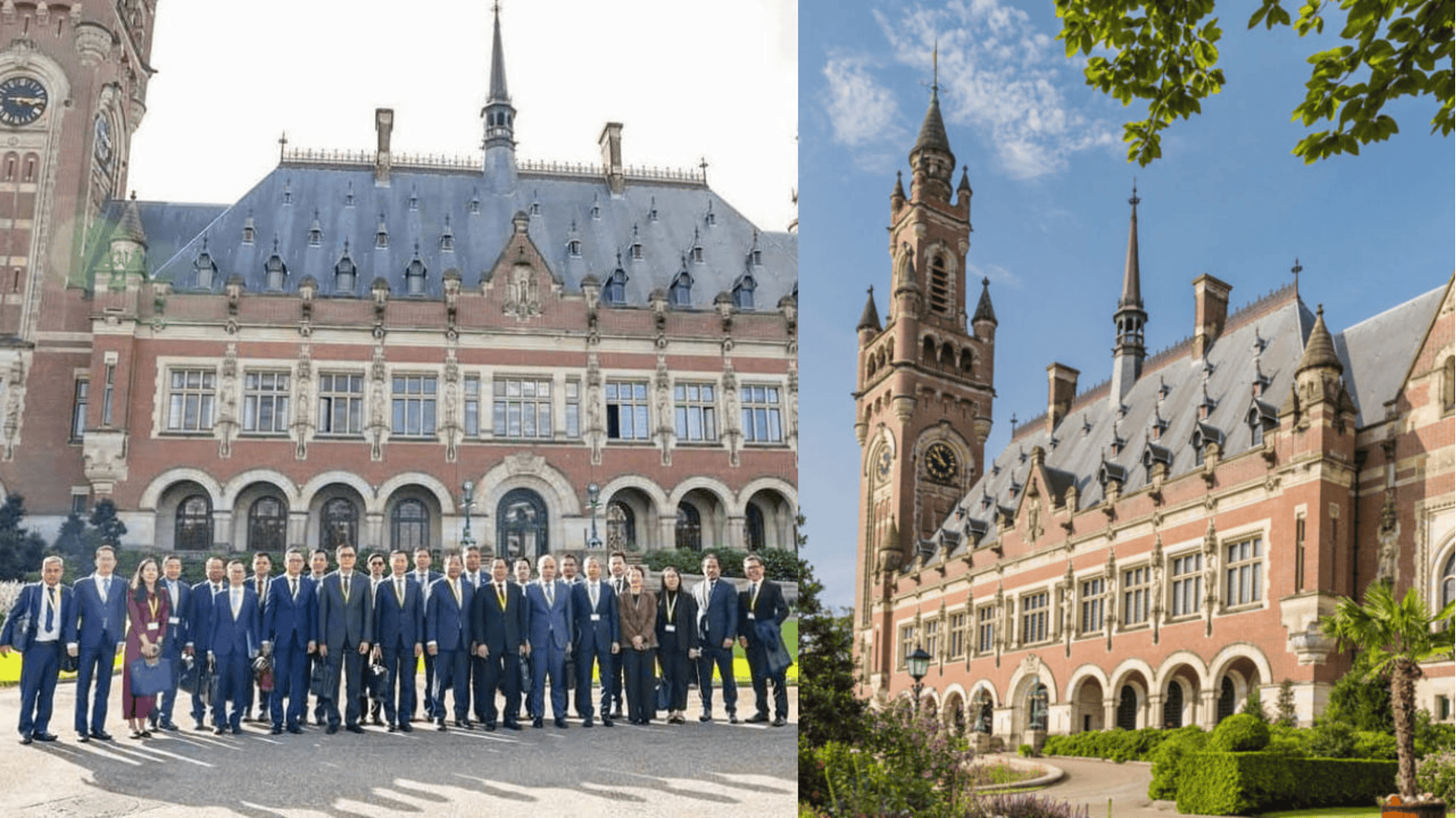
The UNCLOS Conciliation Commission has urged Cambodia and Thailand to rebuild high-level diplomatic missions in each other's capitals, keep the situation at sea unchanged, and tone down their public remarks. The recommendations came in a package of confidence-building measures released on October 19, after the five-member commission met from October 14 to 18. It was the second session of the current conciliation process, which operates under the UN Convention on the Law of the Sea.
Under the package, both governments pledge to rebuild trust, create conditions in which talks can move forward, and open room for deeper cooperation. Both also commit to working constructively with the commission toward a permanent maritime boundary, based on Articles 15, 74 and 83 of the convention, with the goal of eventually signing a bilateral boundary treaty.
Restraint in public messaging
The measures ask both sides to frame their comments on the boundary and on bilateral relations in ways that encourage dialogue, rather than piling on pressure or closing off options. Statements about the conciliation should remain positive and constructive.
- Officials and personal accounts alike should avoid misinformation and disinformation that could undermine the process.
- Each side keeps the right to defend its legitimate interests and correct false claims.
- Remarks that could fuel hostility or heighten tensions between the two peoples should be avoided.
Keeping the sea calm
Both countries are encouraged to maintain the current situation in the disputed maritime areas and to refrain from any steps that could meaningfully change it or escalate tensions. The commanders of both navies are specifically asked to keep communication channels open, so that any provocative incident at sea can be handled quickly and misunderstandings avoided.
Reactions
Commission chair Katrina Cooper said the parties had made meaningful progress in only two meetings, clarifying the issues and identifying the next steps. She called the measures a significant milestone and the first concrete result of the conciliation since the commission was established, reflecting flexibility on both sides. She also noted that neither country has yet fully implemented earlier understandings.
Cambodian Foreign Minister Prak Sokhonn said Phnom Penh looks forward to continuing the work at the next meeting. Thai Foreign Minister Sihasak Phuangketkeow reaffirmed Bangkok's commitment to cooperating fully and in good faith toward a lasting solution under international law, and urged both sides to put the confidence-building measures into practice seriously.
The third meeting is scheduled for the fourth week of November in Kuala Lumpur, Malaysia.
Analyst view
Kin Phea, director of the International Relations Institute at the Royal Academy of Cambodia, welcomed the measures as a sign of genuine progress. He said mutual trust is essential and pointed to earlier veiled threats and disinformation from the Thai side, which he said made a settlement harder to reach. He also argued that Thailand often links the land boundary dispute with the maritime one, even though the two cases fall under different legal frameworks.
Phea suggested that restoring representative offices in each other's capitals could ease tensions. At present, diplomatic ties are nearly absent, with each side keeping only a second-secretary-level presence. He warned that both governments are currently trading responses through the media, a channel that allows one side to spread falsehoods while denying official responsibility and blaming a news outlet. Despite these concerns, he expressed confidence that the process could produce a treaty that benefits both countries and the wider region.