Understanding the Divergence Between Beijing's and Washington's Strategic Priorities
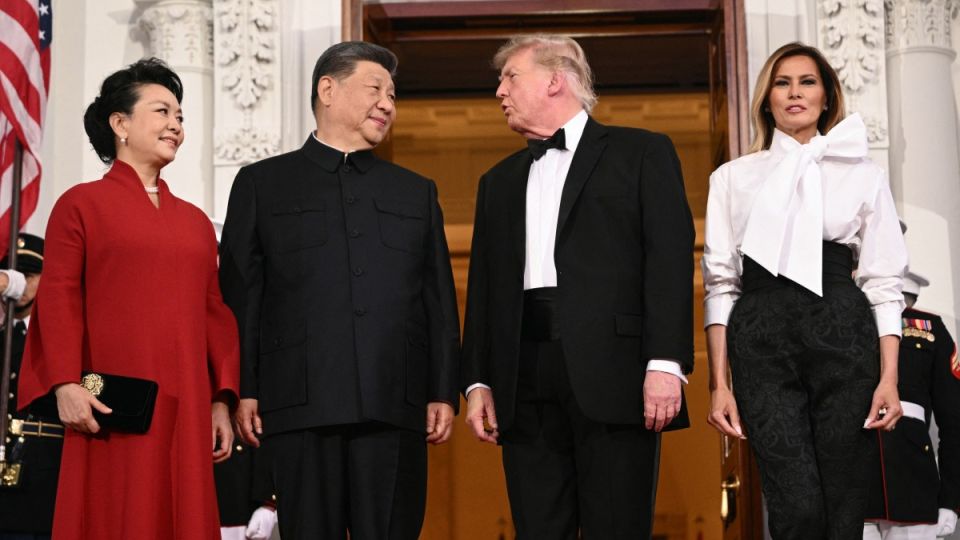
As President Donald Trump prepares to host Chinese President Xi Jinping for a state visit to Washington, observers are grappling with a fundamental question: what strategic boundaries does the United States consider non-negotiable in its relationship with China?
The September 24 visit will feature traditional ceremonial elements—military honors, a state dinner—alongside substantive bilateral talks. Just before Xi's arrival, China's ambassador to the United States outlined Beijing's established positions, emphasizing four areas where China will not compromise: Taiwan's status, internal governance and human rights standards, its chosen development model, and its development rights.
These positions are longstanding. Xi himself reiterated them during his November 2024 meeting with then-President Joe Biden in Peru. However, the question remains: does Washington have equally explicit red lines?
Analysts point to several areas where US interests clash with Chinese actions. Iran policy stands prominent—China purchases Iranian oil and is believed to support Tehran's military efforts. The control of rare earth elements, critical for manufacturing advanced technology, represents another flashpoint. Additionally, traditional concerns persist around Taiwan's future, territorial disputes in the South China Sea, and human rights practices.
Yet the Trump administration's emphasis differs notably from its predecessors. Current priorities focus on preventing military conflict, maintaining market stability, and generating favorable headlines rather than challenging China's industrial strategy or its territorial ambitions.
Some observers see continuity rather than capitulation. The administration has continued opposing Chinese military actions in the South China Sea and reaffirmed defense commitments to the Philippines. These substantive policies persist even as the administration's public tone has softened.
The gap between stated and unstated red lines creates opportunity—and risk. Clearer communication between both nations about their actual boundaries could prevent dangerous miscalculations and reduce the likelihood of unintended escalation, according to foreign policy experts.