UNFPA Delivers Dignity Kits to Displaced Women and Girls in Cambodia
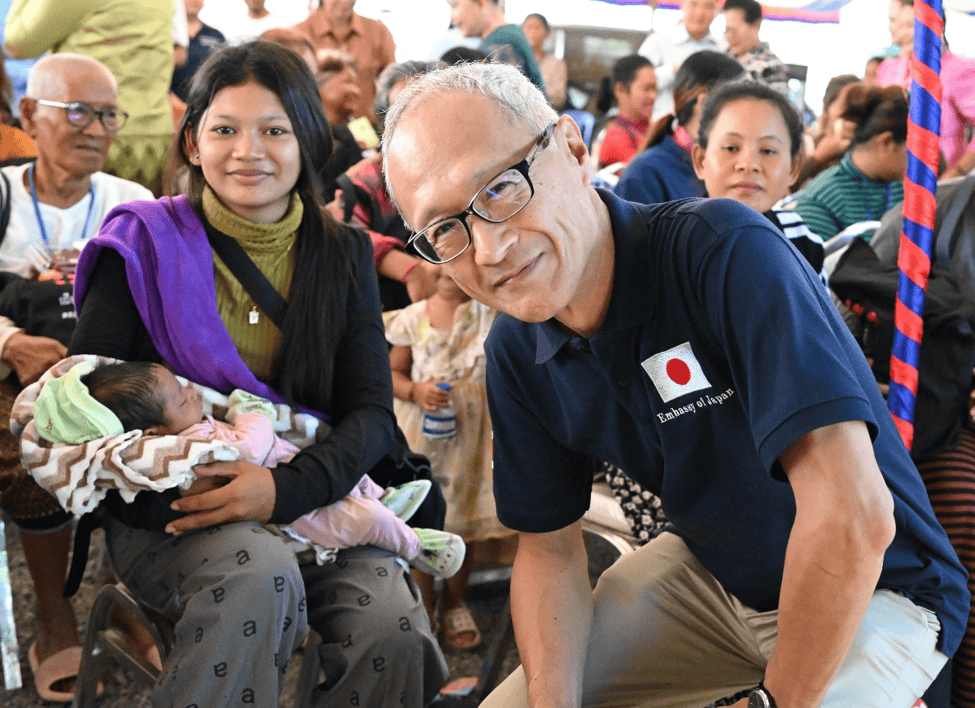
The UN Population Fund (UNFPA) has delivered 5,000 emergency dignity kits to women and girls forced from their homes by the ongoing Cambodia-Thailand border conflict and recent flooding. The effort is backed by the Japanese government and carried out with Cambodian authorities.
Distribution started on November 2 in the Rong Cham waiting village in Banteay Meanchey province. The kits are meant to meet hygiene, health and protection needs, and they will directly provide 6,189 women and girls with personal hygiene and menstrual supplies.
In total, the kits will reach 4,813 displaced households living at three relocation sites across Banteay Meanchey, Oddar Meanchey and Preah Vihear provinces.
The program builds on a $1.32 million project funded by Japan, according to a joint statement UNFPA and its partners issued on November 2.
What each kit contains
Each kit includes menstrual products, soap, traditional krama scarves and sarongs. It also carries information on accessing sexual and reproductive health services, reporting gender-based violence, and protection against sexual exploitation and abuse.
Officials stress support for displaced families
Japan's ambassador to Cambodia, Ishizuki Hideo, took part in the distribution. He said the aid reflects Japan's commitment to women's rights and dignity, and to helping displaced people feel secure while they are away from home. He added that the partners aim to get support to every affected woman and girl quickly and respectfully.
UNFPA noted that displacement often adds burdens for women and girls, who may have trouble obtaining hygiene supplies and face heightened risks of gender-based violence.
Minister of Women's Affairs Ing Kantha Phavi attended the ceremony in Banteay Meanchey. She said the donation responds to urgent needs while infrastructure is still going up at the temporary resettlement sites, and that it helps protect privacy, health and dignity.
Sandra Bernklau, UNFPA's representative in Cambodia, said relocation places a heavy strain on women and girls, which makes access to hygiene products and protection information especially important. She said the kits support personal hygiene, safety and self-respect, and she thanked Japan, the National Committee for Disaster Management (NCDM) and local authorities for coordinating the work.
Kun Kim, first vice-president of the NCDM, said the government treats the safety, wellbeing and dignity of citizens affected by conflict and displacement as a top priority. He credited close coordination with UNFPA and Japan's funding for meeting urgent protection needs and ensuring that no family at the temporary sites is left behind.
Delivery to households
After the handover ceremony and community sessions on health and protection rights, contracted vendors and local service providers delivered the kits directly to households.