UNICEF Warns 1.3 Million Cambodian Children Face El Niño Risks
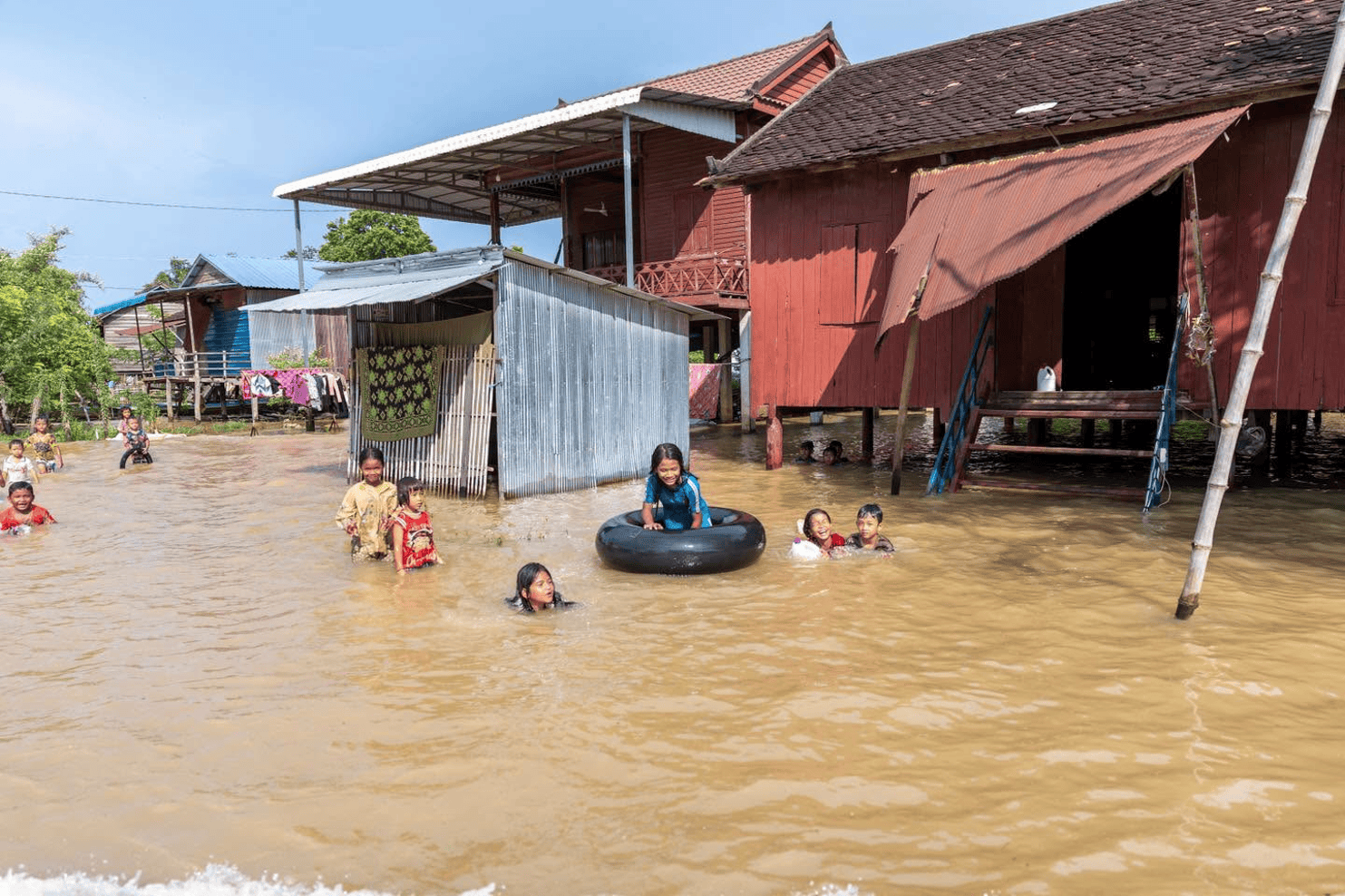
Around 1.3 million children in Cambodia are exposed to climate hazards tied to El Niño, a weather pattern that can bring unusually dry or wet conditions, UNICEF Cambodia has warned. The agency said more than 347 million children in close to 100 countries face similar threats.
For families in Cambodia, the phenomenon could mean shortages of water for everyday use and farming. That could squeeze household incomes and interfere with children's schooling and access to healthcare, UNICEF explained in a statement issued on October 13.
A recent assessment found that over 3,872 schools and 401 health centres, roughly a third of such facilities nationwide, are at risk from natural disasters, including severe drought, flooding and other hazards.
The El Niño event expected for 2026 to 2027 is forecast to be stronger than usual. El Niño is a natural climate cycle driven by Pacific Ocean waters that are warmer than average. It reshapes rainfall and temperatures around the world, bringing drought and extreme heat to some regions while causing heavy rain and flooding in others.
Extreme shifts like these can seriously disrupt water supplies, food security, livelihoods and the essential services children depend on.
Dry Season on the Way
In a separate notice, the Ministry of Water Resources and Meteorology said its monitoring of shifting sea surface temperatures across the western Pacific, the Indian Ocean and equatorial areas shows that pressure systems, southwest monsoon winds, regional cloud activity and local weather are moving from the rainy season into the dry season.
As the southwest monsoon gradually fades and the northeast monsoon takes hold, rainfall is expected to decline, and the ministry expects the 2026 rainy season to end by the third week of October. El Niño conditions are also expected to remain at full strength through February 2027.
The northeast monsoon is likely to bring little rain, although thunderstorms, lightning, gusty winds and other weather events may still hit parts of the country.
Given these changes, the ministry is urging the public to use water sparingly and help conserve supplies for the coming dry season, stressing the importance of careful and responsible water management.