US Keeps Cambodia on Lowest Tier in Trafficking Report
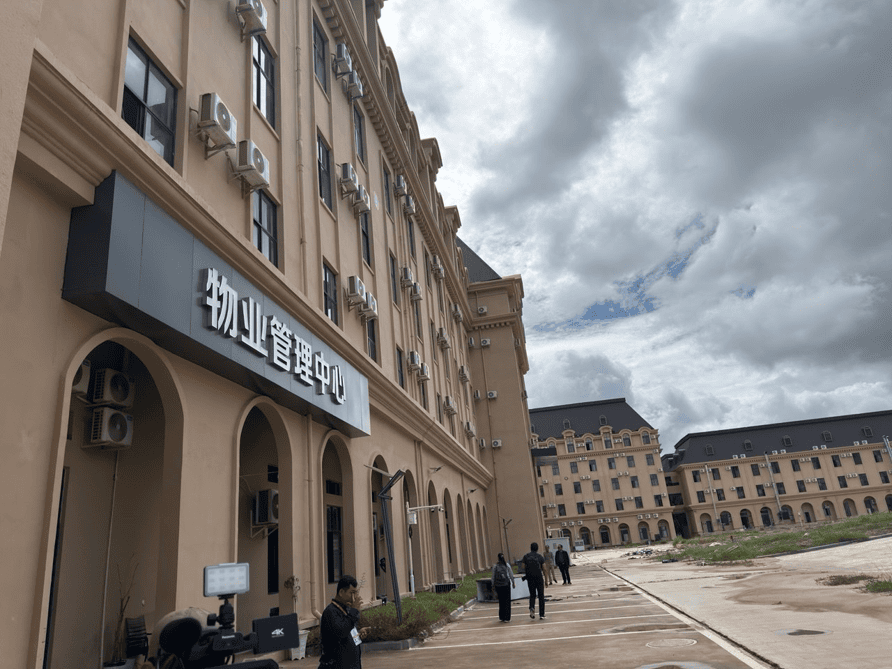
The United States has kept Cambodia in Tier 3, the lowest possible rank, in its 2026 Trafficking in Persons Report. The State Department cited the Kingdom's failure to prosecute those who trafficked workers into scam centres and those who profit directly from them.
Interior Ministry spokesperson Touch Sokhak pushed back on the assessment, pointing to what he described as a broad response to cross-border crime. He said the government had moved from public education to prosecuting people involved in human trafficking.
According to Sokhak, authorities have shut down all 86 large-scale scam centres identified so far and deported tens of thousands of scam workers. He added that thousands of senior scam operators are in custody, with their cases before the courts.
He also said Cambodia is working closely with international bodies, including Interpol and the FBI, to tackle online crime.
The State Department was not convinced. Its October 8 report concluded that the Royal Government of Cambodia does not fully meet minimum standards for eliminating trafficking and is not making significant efforts to do so, which is why it remained in Tier 3.
The report found no explicit government policy of trafficking, but it said a pattern of government-linked trafficking involving scam centres existed during the reporting period. It alleged that some senior officials, advisers and law enforcement officers profited from trafficked victims held in scam centres, and that they interfered to shield scam operations and intimidate victims and civil society.
The report also accused authorities of enforcing the law selectively because of corruption. It said graft and complicity at several levels remain a serious problem, and that high-level offenders and complicit officials are rarely held criminally accountable.
Among those named were senior officials, their relatives, and business elites with close ties to top leaders, including two senators sanctioned by the US. Some were reportedly involved with scam centres or owned land where they operated. According to the report, this influence led to selective enforcement that hampered effective law enforcement.
Weak victim protection
Inadequate victim protection also factored into the ranking. The report said authorities held tens of thousands of former scam workers in immigration facilities with little or no screening to identify trafficking victims, and without referring them to appropriate services. Victims were sometimes penalised for immigration offences that resulted directly from being trafficked.
It also noted that few victims were identified during the period and that data on trafficker convictions was unclear. The report further described how foreigners were lured into working in Cambodia, while Cambodian citizens were trafficked abroad.
The government's response
Sokhak said Cambodia takes online crime seriously and is working with the FBI, Interpol and other countries. He said the Interior Ministry and other institutions have run public awareness campaigns, directly confronted trafficking, stopped hundreds of young Cambodian women from travelling abroad without a clear, verifiable purpose, and rescued many victims overseas.
He added that the ministry is open to cooperation with many countries and works with the FBI, Interpol, and authorities in China, Australia, South Korea and across ASEAN. Regionally, Cambodia, Vietnam and Laos meet annually to review results and strengthen cooperation, particularly on tracking down fugitives.
Sokhak referred further questions on trafficking to Chou Bun Eng, vice-chair of the National Committee for Countering Trafficking in Persons (NCCT). Chou Bun Eng had not responded at the time of publication.