US Red Lines Remain Unclear as China Reiterates Its Own During Xi's Washington Visit
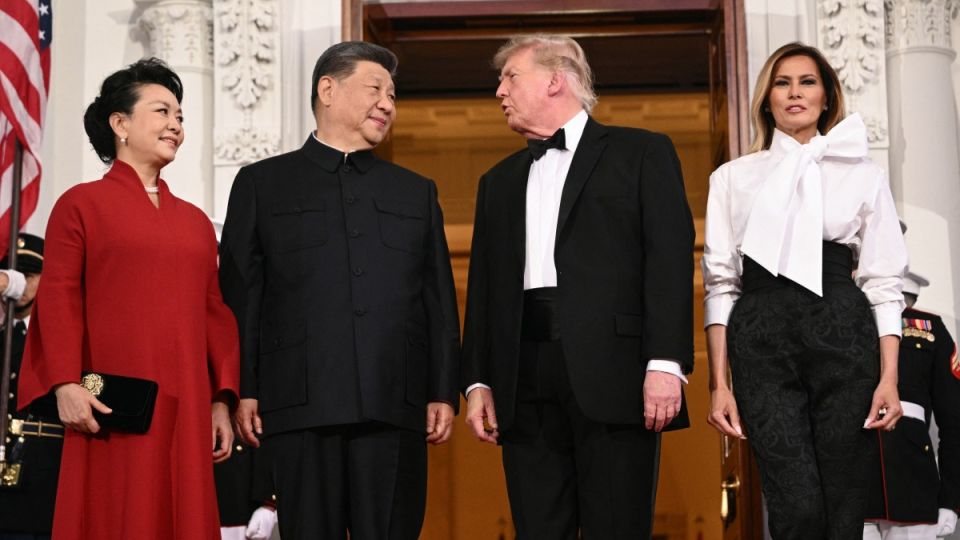
As President Donald Trump welcomes Chinese President Xi Jinping to the White House with full ceremonial honors—including military bands and fighter jet displays—foreign policy experts are questioning where the United States will establish its own boundaries in the relationship.
Xi's visit on September 24 marked his first trip to the White House in over a decade, featuring bilateral talks between the two leaders, a cultural outing for their spouses to the Smithsonian National Museum of Asian Art, and an official state dinner to cap the day.
Just before Xi's arrival, Chinese Ambassador to the US Xie Feng used an op-ed in the state-run People's Daily to spell out Beijing's non-negotiable positions. He emphasized that China's core interests—including Taiwan, governance models, human rights interpretations, and economic development—are off-limits for challenge or interference.
These talking points are standard fare in Chinese diplomacy, previously articulated by Xi himself during a meeting with then-President Joe Biden in Lima in November 2024.
But if Beijing has clearly marked its boundaries, what does Washington expect China to respect in return?
According to Kelly Grieco, a foreign policy scholar at the Stimson Center, the US has been far less explicit about defining its own limits, leaving observers to read between the lines of policy actions.
Among the most pressing concerns would be Iran. China remains a major purchaser of Iranian oil and is believed to back Tehran's military activities. Observers are closely watching whether Beijing will propose mediation and what concessions it might demand from Washington.
Another critical issue involves rare earth elements—materials crucial for manufacturing everything from consumer electronics to weapons systems. Despite officially easing export restrictions, China has effectively tightened supplies to American firms.
Scott Kennedy from the Center for Strategic and International Studies noted that traditional American concerns have centered on China's industrial practices, its ambitions regarding Taiwan, territorial disputes in the South China Sea, and human rights records.
However, Kennedy suggested the current administration's priorities have shifted. Rather than focusing on these long-standing issues, Trump's team appears more concerned with preventing armed conflict, maintaining economic stability, and securing political wins—a markedly different framework than previous administrations.
Grieco pushed back against characterizations of a wholesale policy reversal, pointing to continued US opposition to Chinese assertiveness in the South China Sea. The administration has reaffirmed defense commitments to the Philippines, sustained joint naval operations, and continued military training exercises in the region.
She cautioned against mistaking toned-down rhetoric for substantive policy retreat, arguing that some analysts are conflating diplomatic language with actual strategic withdrawal.
Greater transparency about both nations' non-negotiable positions could prove beneficial, Grieco suggested. Open discussion of these boundaries might help stabilize the bilateral relationship by reducing the risk of misunderstanding and unintentional escalation between the two powers.