Young Cambodians rally to fight AI scams, misinformation and digital exclusion
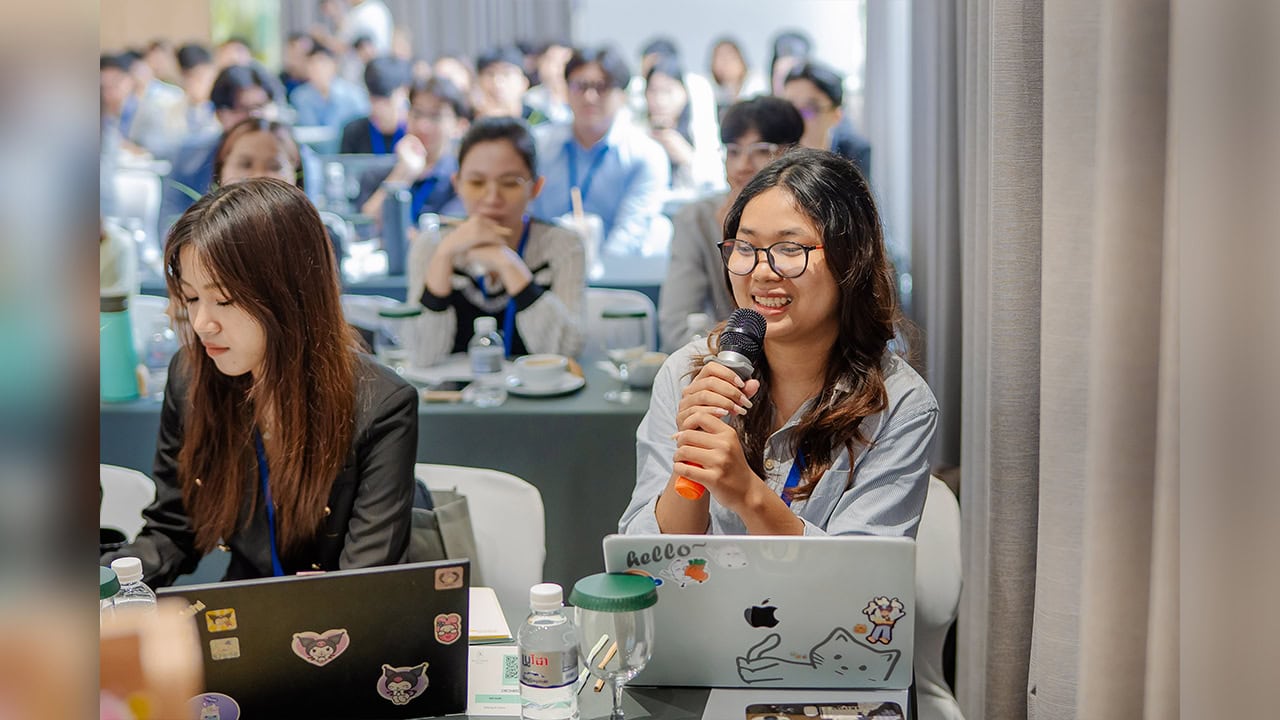
Fifty young Cambodians have joined forces to help the public spot AI-generated scams, verify information circulating in Khmer, and use digital services safely.
University students, recent graduates and young professionals gathered on September 29 for a workshop where they formed teams to tackle some of the most pressing issues facing Cambodian communities.
Their ideas focused on online safety for older and rural residents, access to learning for students with limited internet connectivity, and responsible use of AI in higher education.
From phishing to deepfakes
Run by the APNIC Foundation and Open Development Cambodia (ODC), the one-day session also examined phishing, account takeovers, deepfakes, and scams built around AI-generated voices or video.
Participants were shown how to safeguard their online accounts, including through multi-factor authentication, and how to respond when a security incident occurs.
Aftab Siddiqui, head of stakeholder relations at the APNIC Foundation, stressed that young people need to understand both the potential and the boundaries of AI-generated material.
"Building that capability means combining effective use of AI with verification, critical evaluation and appropriate human oversight," he said.
Teams were also asked to weigh the risks and limitations of their own ideas, rather than assume that technology by itself could fix the problem.
Skills for an AI era
ODC executive director Thy Try said digital skills, responsible AI use and cybersecurity were fast becoming essential for young Cambodians, and that young people needed the confidence to help shape how emerging technologies are put to use.
The workshop formed part of the Asia-Pacific Telecommunity's Young Professionals and Students programme, delivered with cybersecurity organisation ISC2 as a knowledge partner and with support from the Australian government.
Organisers said the training was designed to equip participants with skills they could carry into their studies, careers and everyday lives.
The day closed with a networking session linking attendees to representatives from the ICT sector, universities, government and development organisations.