
Foreign SIM Cards Enable Scammers to Impersonate Local Callers, Official Warns
Online fraud networks are leveraging foreign SIM cards and international telecom infrastructure to make their schemes appear more legitimate by masquerading as local callers, a senior Cambodian telecommunications official revealed at a major anti-scam conference.
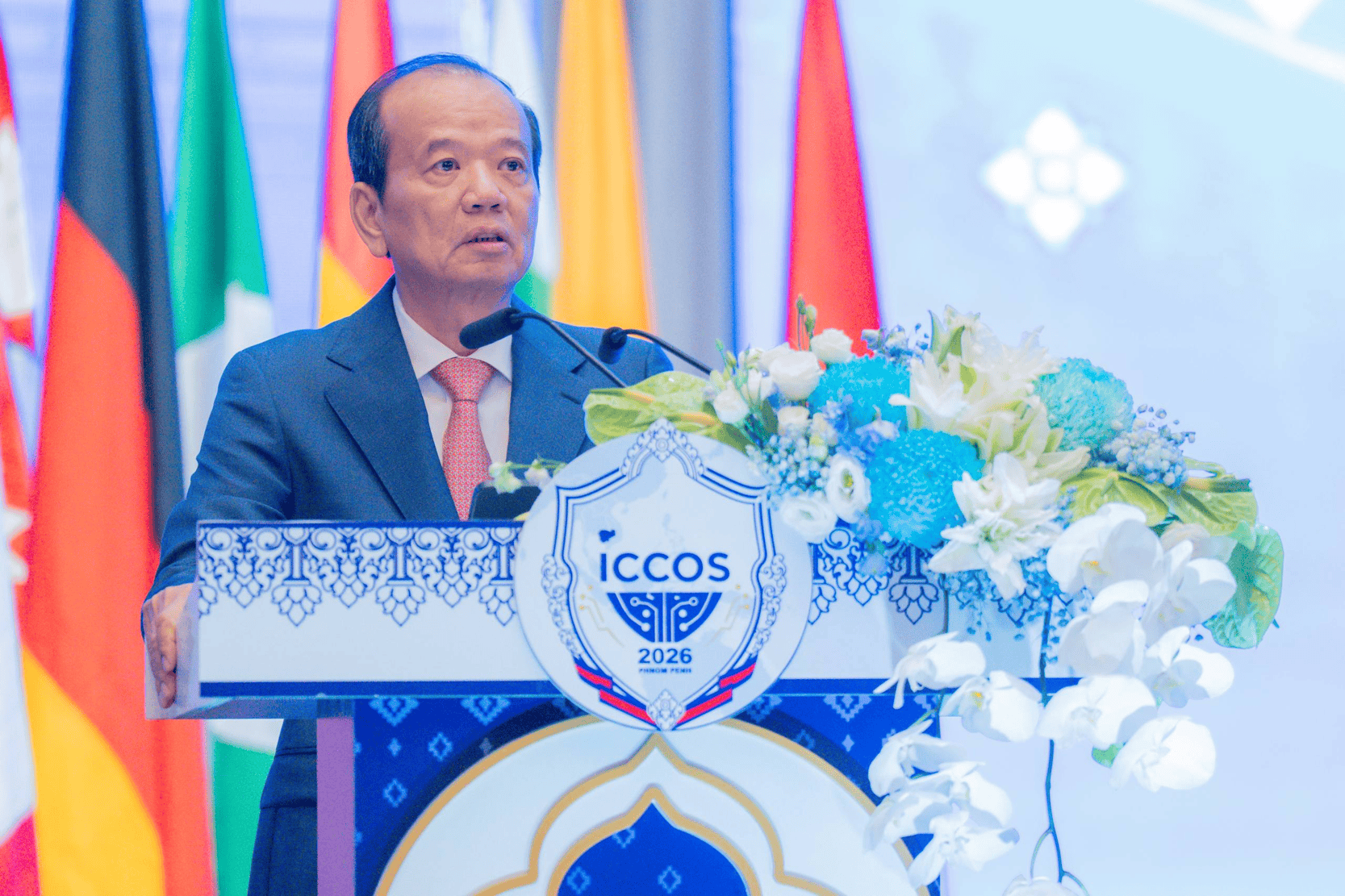
Posts and Telecommunications Minister Chea Vandeth addressed the International Conference on Combating Online Scams in Phnom Penh on September 23, explaining how fraudsters manipulate technology to build false trust with potential victims.
The core tactic involves criminals obtaining SIM cards from a victim's home country while operating from elsewhere. By using international roaming capabilities, scammers can make calls and send messages that display local phone numbers, making their communications seem domestic and therefore more credible.
"Criminals use phone numbers from the countries of the people they want to scam," Vandeth explained during his presentation.
Cambodian law enforcement has uncovered significant evidence of this operation. During a single raid on a small fraud compound, officials seized over 50,000 SIM cards originating from various nations, demonstrating the industrial scale of these operations.
Strengthening Registration Requirements
Vandeth urged all countries to implement stricter SIM card registration protocols and mandatory identity verification before activation. He advocated for a complete ban on anonymous SIM card sales globally, arguing that telecommunications providers worldwide should be prohibited from issuing cards without proper identification.
Cambodia has implemented multiple safeguards to prevent its telecom systems from being exploited. Since 2022, the country's Telecommunication Regulator has dismantled more than 330 unauthorized base stations that provided illegal services supporting fraud operations.
Digital enforcement efforts have also intensified, with a specialized monitoring team blocking over 53,000 fraudulent websites. Through partnerships with major technology platforms such as Meta, Telegram, and Binance, authorities have removed more than 5,300 accounts, pages, and groups connected to scam recruitment, deceptive job postings, and various forms of online fraud.
Call for Global Cooperation
Despite these domestic successes, Vandeth emphasized that no single nation can tackle the problem in isolation due to the inherently cross-border nature of criminal networks.
He called for coordinated efforts among governments, regulatory bodies, law enforcement, financial institutions, telecommunications companies, and digital platforms to share intelligence, enhance identity verification systems, and eliminate regulatory loopholes that criminals exploit.
"Only coordinated international action can close this gap," Vandeth concluded, stressing that unilateral measures remain insufficient against sophisticated transnational fraud operations.