
Tracing Civilisational Roots: Understanding Cambodia and Thailand Through Historical Evidence
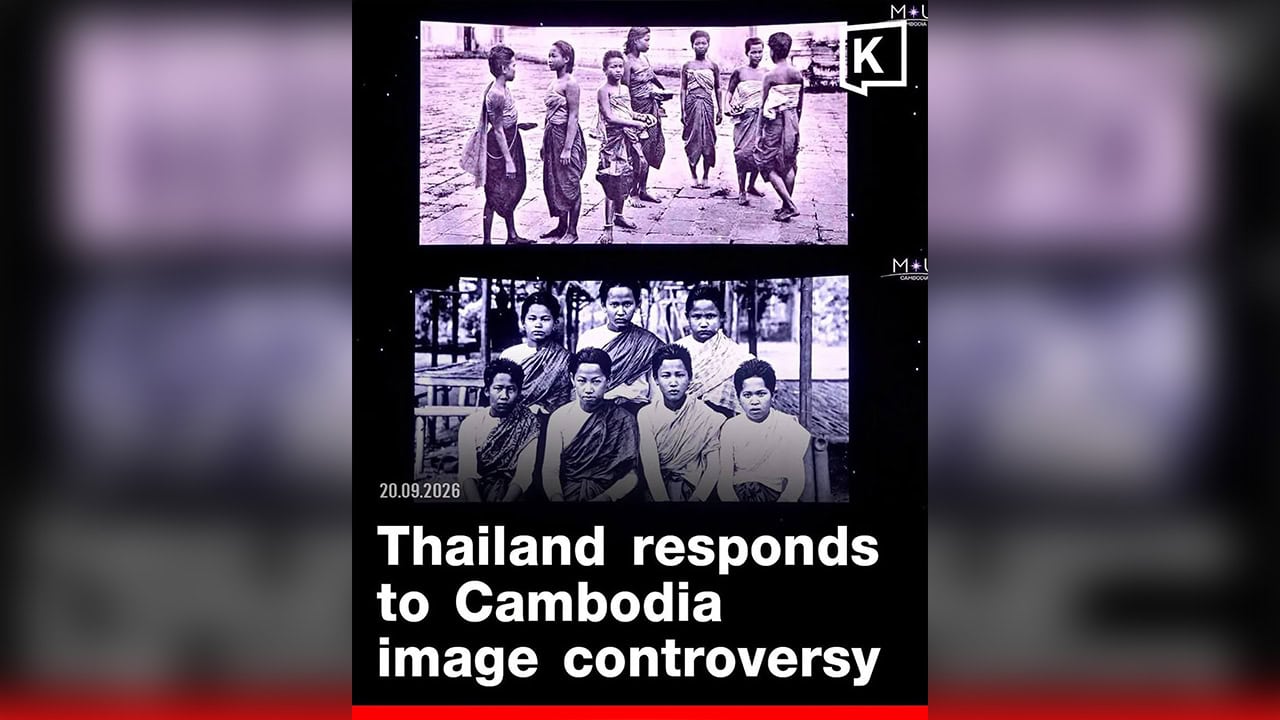
When we examine the histories of Cambodia and Thailand, we must ground our discussions in documented evidence, mutual regard, and recognition of the advanced societies that thrived long before contemporary nation-states took shape. As someone invested in Cambodian perspectives, I believe it's crucial to help readers—especially younger people and the global audience—understand the depth of Khmer civilisation and what it contributed to the wider Southeast Asian story.
Recent commentary on Khmer and Thai heritage prompted me to clarify the timeline. This isn't about diminishing one nation's identity in favour of another. Rather, it's about acknowledging what each culture achieved and ensuring that when we discuss the past, we rely on verifiable facts rather than national sentiment alone.
The chronological facts matter here. The consecration of King Jayavarman II in 802 CE—traditionally marked at Mount Mahendraparvata in the Phnom Kulen area—signalled the start of the Khmer Empire's imperial phase. Sukhothai emerged as an autonomous kingdom around 1238 CE, roughly four centuries later. Ayutthaya followed in 1350–1351 CE, nearly 550 years after 802 CE. This sequence shows that the Angkorian Khmer state predates both kingdoms by considerable margins.
Yet precision matters. We shouldn't say Cambodia is 550 years older than Thailand as a modern state, because Ayutthaya's founding isn't the same as Thailand's birth as a nation. The Thai state developed over centuries, and the name Thailand itself only became official in the 20th century. More accurately, the Angkorian Khmer Empire preceded Sukhothai by roughly four centuries and Ayutthaya by approximately five and a half centuries.
Khmer history extends further back still. Earlier kingdoms like Funan and Chenla represent the deeper roots of Khmer culture. These societies show that sophisticated governance, spiritual practices, creative expression and cross-regional contact flourished across mainland Southeast Asia long before modern borders appeared on maps.
The ruins of Angkor testify to Khmer ingenuity in architecture, engineering, art, religion and administration. Angkor Wat, the Bayon and the vast systems controlling water and space reveal capabilities that matter not just to Cambodia but to human heritage broadly. These deserve rigorous historical examination, careful preservation and protection.
Acknowledging Khmer antiquity shouldn't erase Thai achievements or those of other Southeast Asian peoples. Cultures interact—they borrow, compete and reshape one another. Sound historical analysis captures these connections rather than reducing the past to a scorecard of national greatness.
What's essential is distinguishing between ancient civilisations, historical kingdoms and modern states. The Angkorian Khmer Empire, Sukhothai Kingdom and Ayutthaya Kingdom were separate entities that emerged at different moments under different conditions. Their development cannot be properly understood by treating them as simultaneous or equivalent.
Cambodians rightfully study our own history, pass it to our children, maintain our temples and safeguard our cultural inheritance. We should speak about our forebears' accomplishments with assurance and dignity. Yet legitimate historical pride rests on documented fact, not inflated dates or dismissal of neighbouring cultures.
To those following Cambodia–Thailand historical discussions: the Khmer Empire merits the same scholarly rigor given to any other civilisation. The year 802 CE, Sukhothai's 13th-century emergence and Ayutthaya's 14th-century establishment form a clear framework for understanding these regional powers. Public discourse should incorporate these reference points rather than overlook them.
Khmer antiquity belongs to the historical record, not sentiment. Appreciating Khmer history doesn't contradict respecting Thai heritage. Recognising the Khmer Empire's earlier start doesn't deny Thai identity or cultural evolution.
Our region's shared past should inspire deeper study, stronger cultural work and genuine partnership. It needn't breed tension between Cambodian and Thai people. Instead, historical literacy can help both nations grasp their origins, honour their distinctiveness and preserve what their ancestors left behind.
History belongs to all of us. Its evidence warrants respect, its teachings deserve attention and its inheritance must be protected for those who come next. The Khmer Empire's place in Southeast Asian history is significant and deserves recognition through careful scholarship, trustworthy reporting and genuine cultural respect.